Yangphen Mineral Clay · Stone Texture
Flexible Stone Cladding. Thin, Bendable Sheet.
Modified mineral cladding for modern architecture. Thin enough to overlay, light enough for high-rise, flexible enough to wrap a column.
Message Mr. Yan on WhatsApp2–4 mm3–8 kg/m²Class A ratingOverlay-ready
A mineral skin for facades, insulated walls, renovations, and curves — not a photovoltaic curtain, not a media wall. Figures are typical bands; confirm the specification on the current data sheet.
BendSample sheet wrapping the radius
Modified mineral cladding for fire-safe, low-load elevations.
Yangphen Mineral Clay
From mineral clay to flexible stone
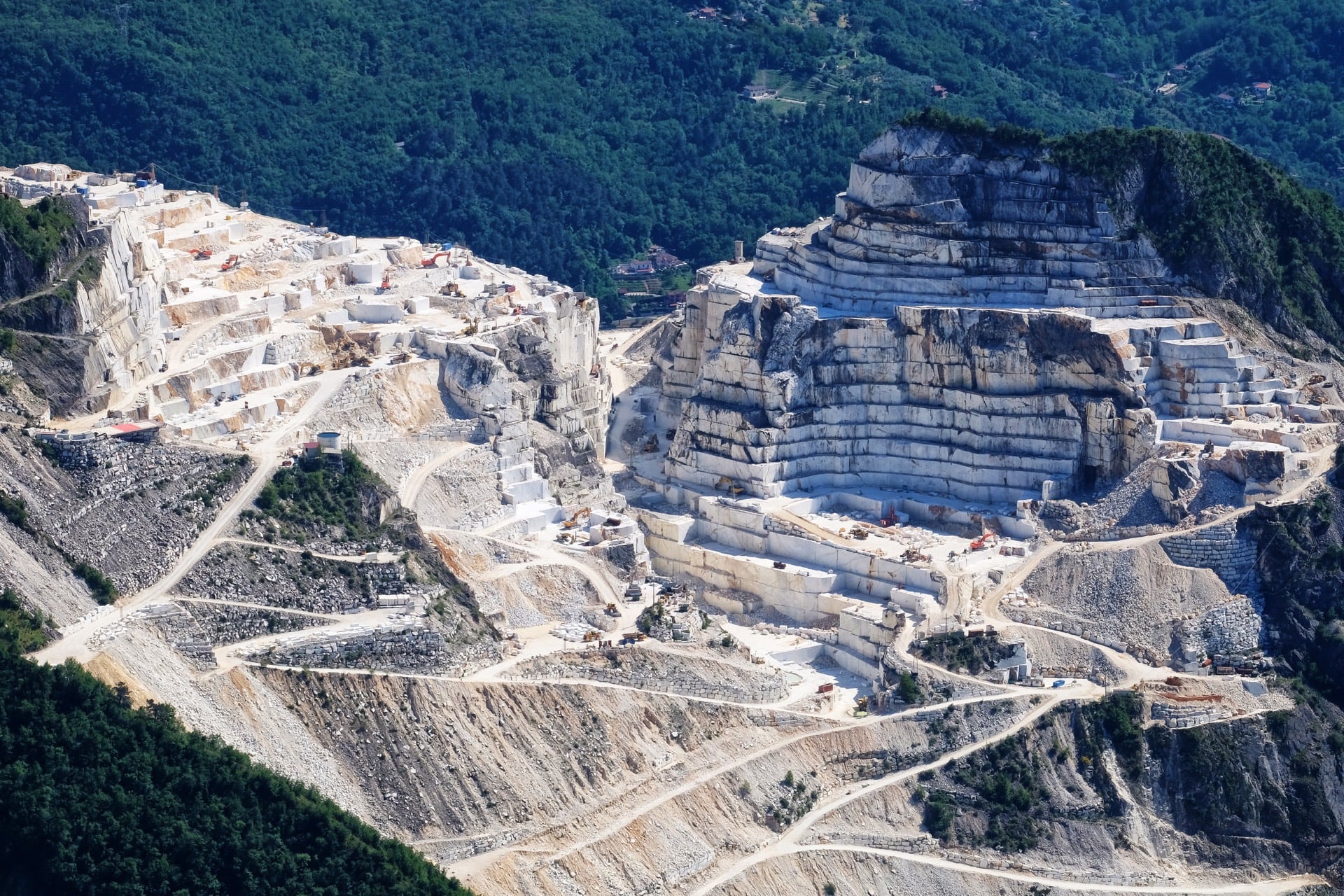
Yangphen Mineral Clay starts as soil, stone fines, and construction residues. After surface modification and low-temperature forming, it becomes a bendable mineral skin — stone, brick, or timber looks without the dead load. Inorganic mineral base. Not a resin imitation. Not a PVC covering.
Source
Soil and mineral residues, colour-sorted and activated.
Form
Low-temperature forming; offcuts reused. No coal, no heavy oil.
Clad
Bendable sheets for facades, interiors, and overlays.
Performance
Built for the jobs ceramic tile cannot do
Each point maps to a site condition: high-rise, insulation, renovation, curves, or hospitality. Typical bands below are confirmed on the series data sheet.
01
Flex
Wraps columns and curves without faceting stone.
02
Thin
Typical 2–4 mm sheets; 1–2 mm adhesive bed.
03
Light
Typical 3–8 kg/m², often adhesive-only.
04
True-to-look
Slate, cultured stone, marble, brick, and wood grain.
05
Breathable
Water-shedding yet vapour-open for insulated walls.
06
Weatherable
Freeze–thaw, UV, salt, and alkali performance on the data sheet.
07
Fire-safe
Class A rating above 3 mm; confirm thickness on the report.
08
Fast-fit
Overlay existing tile; less demolition waste.
09
Circular
Recycled mineral input, reusable offcuts.
10
Spec-ready
Reports aligned to facing-sheet practice.
Catalogue
One mineral skin. Six architectural looks.
A single flexible substrate covering stone, brick, and timber. The tags stay the same, so you choose a look family rather than a new material each time.
Applications
Specify it where stone and tile fall short
High-rise, insulated walls, overlay renovation, and radius work — the places ceramic tile and thick stone usually cannot go.
Exterior facade
Lightweight skin where tile is restricted.
Insulated walls
Facing layer for ETICS / insulated elevations.
Renovation overlay
Overlay existing tile, mosaic, or stone.
Columns & curves
Columns, arches, radius walls.
Interior walls
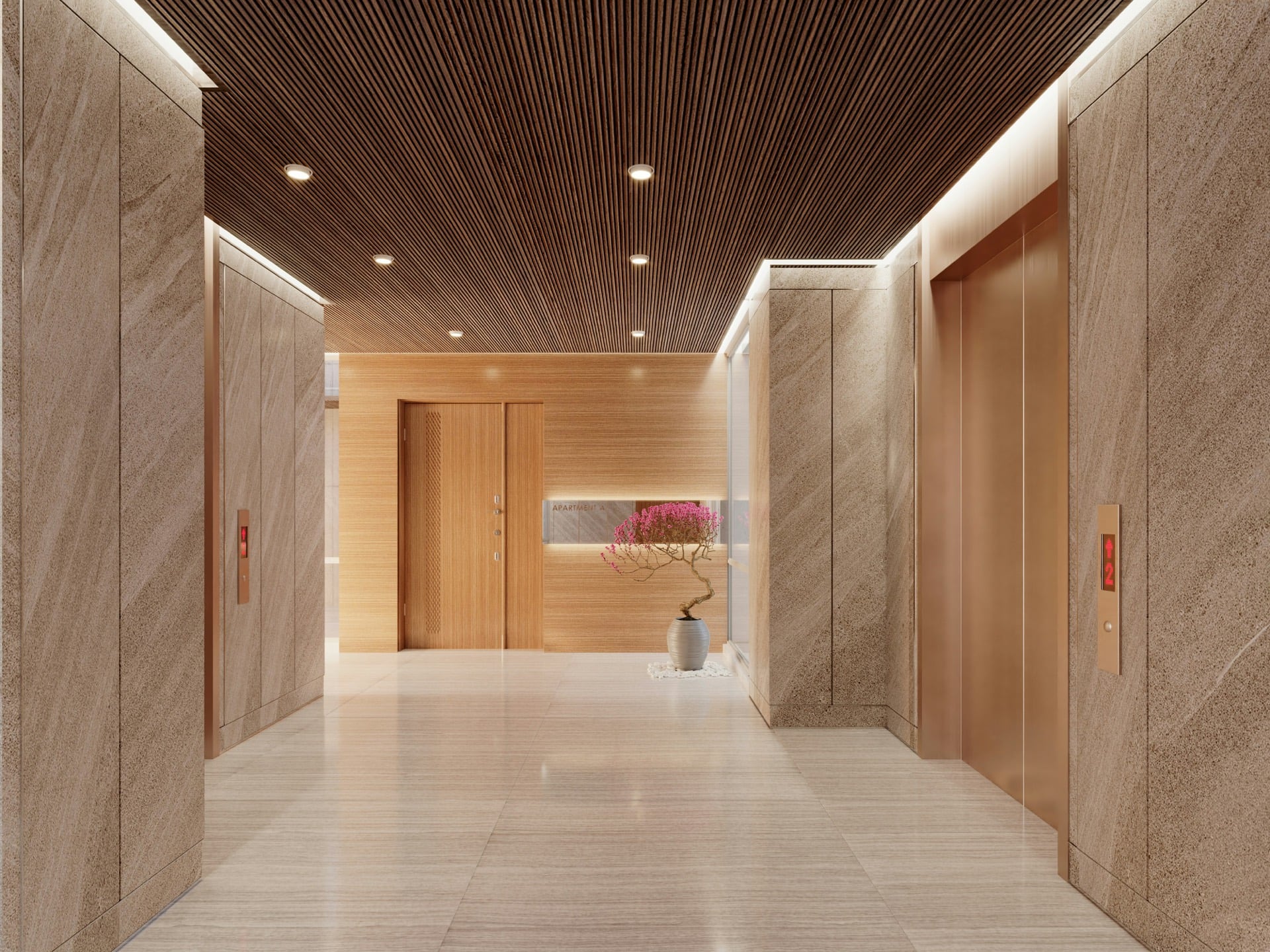
Lobbies, feature walls, wet-zone interiors.
Hospitality
Hotels, guest programmes, and repeatable texture.
Landscape
Planters, boundary and landscape walls.
Retail interiors
Salons, shops, and fast-programme commercial fit-out.
Substitution
Not a cheaper tile. A complementary skin.
Yangphen flexible stone is specified beside ceramic and natural stone — for the elevations those materials cannot cover without adding weight.
| Factor | Natural stone | Ceramic tile | Yangphen Flexible Stone |
|---|---|---|---|
| Weight | Heavy; often requires hanging | 10–40 kg/m² | 3–8 kg/m² |
| Thickness | 20 mm+ | 8–12 mm | 2–4 mm |
| Curves | Almost never | Difficult | Follows the radius |
| High-rise | High dead load | Often restricted | Light enough to specify |
| Renovation | Demolish first | Strip first | Can overlay |
| Fire rating | Non-combustible, heavy trade | Non-combustible, brittle | Class A rating above 3 mm |
| Production energy | Quarry + haul | Kiln ~1000°C | Low-temperature forming |
Specification
Specified from the test method — not from the brochure
Flexible stone is specified because it can be tested and accepted. Yangphen Stone inspects production to modified-mineral facing-sheet methods — thickness, mass, fire, freeze–thaw, ageing, and tensile. Lock those values from the current series report; the bands here are a guide, not the contract.
Thickness2–4 mm typical (range 1–5 mm)
Mass per area≤ 8 kg/m²; commonly 3–8 kg/m²
Water absorption< 0.1 kg/m²·h⁰·⁵
Freeze–thaw100-cycle test — confirm on report
Ageing1,200–3,500 h test — confirm on report
Reaction to fireClass A when >3 mm; thinner follows coating rules
Tensile strength> 1.0 MPa — confirm on report
Stain resistanceGrade 4 / 3 by finish
Circularity
From residue to cladding, then back into the cycle
A circular mineral skin: recycled input, low-temperature forming, reusable offcuts — without turning the facade into a screen or a solar panel.
Mineral input
Soil, stone fines, and construction residues — target recycled content confirmed on the series sheet.
Low-temperature forming
Formed far below a ceramic kiln; offcuts return to the line.
Cleaner process
Planned without coal or heavy oil; ask for the current process note.
Returned to the cycle
Reusable offcuts; end-of-life sheets can be remade, not landfilled as a first option.
On the elevation
Proven on elevations — not only on sample boards
This first release uses scene cards. Named project photography is shared with your inquiry when the pack is ready.
Facade
High-rise facade
A light mineral skin where ceramic tile is restricted.
Overlay
Renovation overlay
Existing tile stays; the new skin bonds over it.
Curves
Column wrap
Radius work without faceting stone into tiny tiles.
Climate
Coastal / arid elevation
Weathering performance for salt, heat, and UV — confirm on the sheet.
Hospitality
Hotel lobby
Repeatable texture for hospitality programmes.
Landscape
Landscape wall
Stone look on a light garden or boundary structure.
ETICS
Insulated elevation
A flexible facing for insulated wall systems.
Interior
Interior feature wall
Stone-look cladding for lobbies and lift cores.
Ask for current photographic references with your inquiry.
FAQ
Questions architects and buyers ask first
Is this ceramic tile?
No. It is a modified mineral cladding sheet. It looks like stone or brick, but it bends, weighs a fraction of tile, and bonds as a thin skin. In technical notes it may appear as a modified mineral cladding (MCM facing sheet).
Can it go on high-rise facades?
Yes. That is a primary use. The low mass is intended for elevations where ceramic tile is restricted or too heavy. Confirm local facade codes and the fire rating for the specified thickness.
Can it overlay existing tile?
Yes, on a sound substrate. Renovation is one of the jobs it is designed for — less demolition, less waste, shorter programme.
Is it Class A fire-rated?
The Class A rating applies above 3 mm. Thinner sheets follow coating-type rules. Ask for the report that matches the series before the specification is locked.
Will it crack on insulation systems?
The sheet is flexible and vapour-open relative to ceramic tile, which is why it is used as an insulated-wall facing. System design still governs.
Do you supply photovoltaic or LED facades?
No. Yangphen Stone focuses on mineral cladding for architecture — facades, interiors, landscape, and curves.
Start a specification
Send the look family, colour target, quantity, and drawings.
Yangphen Stone replies with samples, the current data sheet, and a factory-direct offer.


Visual referencesBrand marks shown are the property of their respective owners. They appear here as visual references only, and do not indicate endorsement, sponsorship, or a commercial relationship with any brand shown.
